
Did you travel a long way, and want to get as much as possible out of your time in Europe? Do you enjoy exploring new places, elegant, bustling business streets, cozy cafes, vibrant life, and big city culture? Then you might also want to travel outside the Hungarian borders and visit some of the big cities in our neighboring countries. Alternatively, you could follow our guide’s suggested itinerary and take a round tour of all the major European cities. Although our focus is on promoting sustainable tourism in Hungary, we cannot ignore some of the most amazing big cities in Europe. Therefore, we have included a selection of them in our guide as well.
Budapest, Hungary
On one side of the “Pearl of the Danube” lie the soft hills of Buda with storied residential areas and historical monuments and, on the other, we find the ‘plain country’ of Pest with large business areas. In Budapest, you can enjoy the city´s countless excellent cafes and restaurants, as well as the city’s cozy wine cellars. Budapest is rich in cultural offerings and sources of thermal water. Here, you will find hotels in all price ranges and categories. When you are here, you must not miss the ´Hősök tere´ (Heroes Square), the castle area, and the nearby ´Halászbástya´ (Fisherman’s Castle) or ´Mátyás-templom´ (Matthias Church). From Budapest you can even easily reach Szentendre, Visegrád, and Esztergom, but also Balaton and the Puszta.
Vienna, Austria
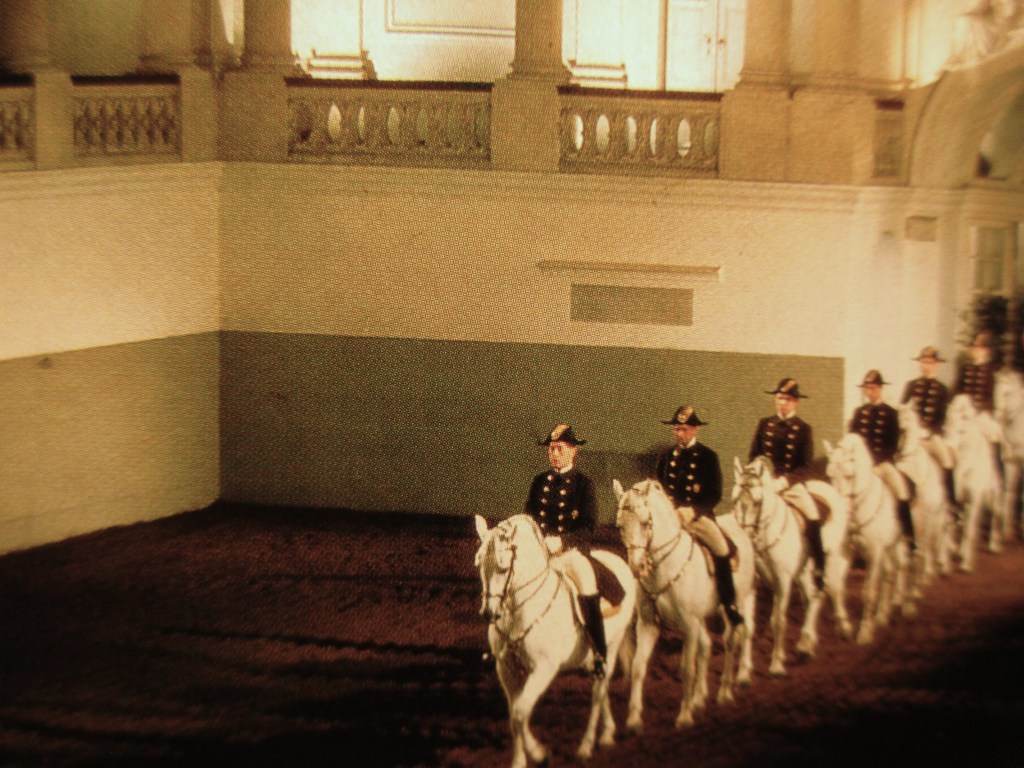
When we think of charming Vienna, the first things that most often pop into our mind are schnitzel, Wiener bread (although its origin is actually often attributed to Denmark), Sacher-Torte, and cafes. The city’s culinary reputation, along with its blooming cherry trees in the spring and Christmas markets in December, attracts many tourists. By being the world’s greenest city (2020), Vienna is a city with a high quality of life. But Vienna is also home to classical music, Strauss waltzes, and vibrant cultural life. While in Vienna, you must listen to one of the world’s most famous children’s choirs, the Wiener Sängerknaben. In addition, the former Imperial City, which even played an important role in Hungarian history, is also known for its wealth of art treasures, beautiful historic buildings, and grand architectural landmarks, such as 17th-century palaces that add magnificent splendor to the city. A must-see is the impressive, 1,400-room Baroque palace, Schönbrunn that originally served as a hunting lodge during the 16th century and later became the center of court life during the reign of Mária Theresa before becoming the summer residence of the Habsburg family. Other highlights of Vienna include the Spanish Riding School, the Gothic St. Stephen’s Cathedral, and the world’s oldest zoo, Tiergarten Schönbrunn. Vienna is not only charming and grandiose, but truly the center of art, culture, and science. Vienna is just it!!! …. The Paris of Central Europe.
Prague, Czech Republic
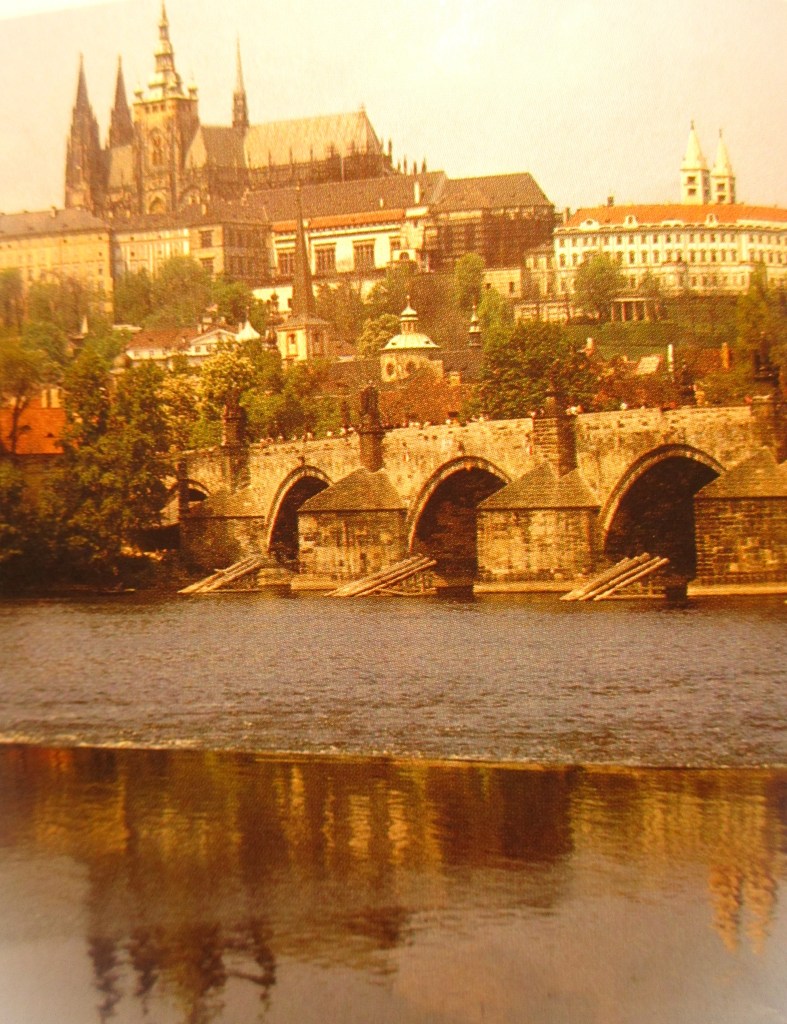
Prague, a city over 1100 years old, also known as the “golden city” on the Vltava, offers a diverse range of experiences. The city center, with its small and winding streets, provides a picturesque setting, a unique atmosphere, and a pleasant pastime. While Prague Castle majestically rises into the sky above the city, the narrow and mysterious alleys of the Old Town tempt you with centuries-old secrets. Prague features a beautiful blend of architectural styles such as Gothic, Baroque, Renaissance, Art Nouveau, and Modernism, yet it still retains its medieval appearance. Despite the presence of various architectural styles, Týnkyrkan (Týnský chrám) stands out as a unique building since it represents a combination of three architectural styles in one building. Another popular building in the city is the Dancing House (Tančící dům), which has a more contemporary style. Prague is inexhaustible in attractions and is also known for its beer. So if you are tired from walking and need a break, you can refresh yourself with a cold, foamy golden fluid. You can enjoy fantastic beer made by local microbreweries in a beautiful environment. An interesting fact about drinking beer in Prague is that when your glass is empty, another one is automatically brought to you until you indicate that you don’t want any more. Apart from sightseeing and beer, it is also important to remember one of the most horrific events in European history by visiting the Theresienstadt concentration camp during a day trip.
Krakow, Poland
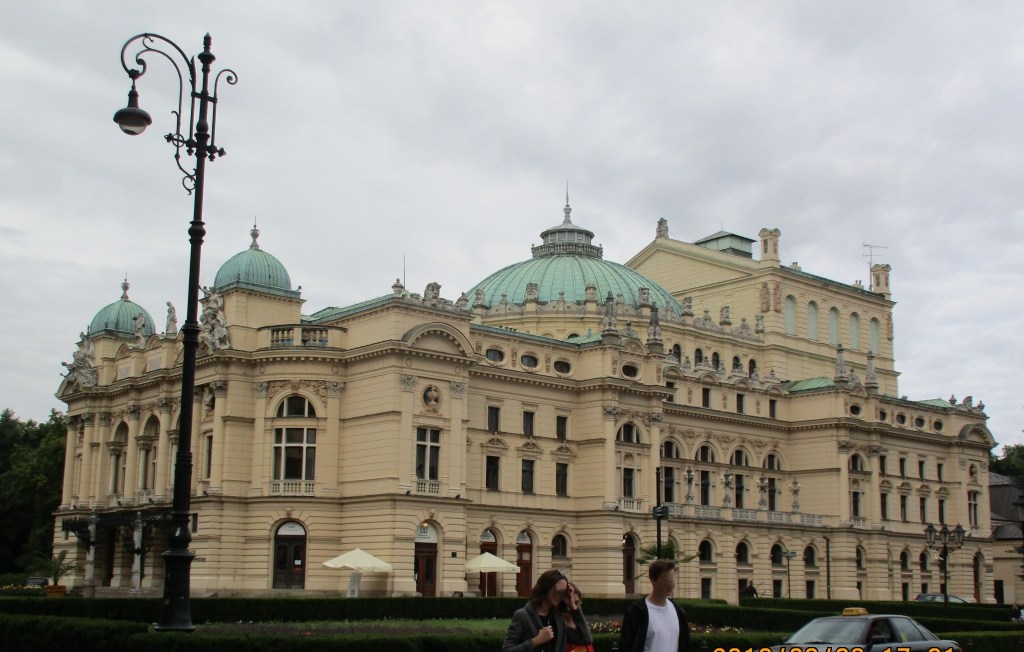
Krakow, a city with over a thousand years of history, is known as the city of churches and used to be the capital of Poland. Today, the city is a scientific center with a rich history, works of art, and breathtaking architecture. Since 1978, the city center of Krakow, Stare Miasto, has been recognized as a UNESCO World Heritage Site. This beautiful city has many attractions including the Jagiellonian University, which was founded in 1364 and is the oldest university in the country. Additionally, you can visit Europe’s largest town square, which boasts old market halls dating back to the 12th and 13th centuries, as well as the Wawel Royal Palace with its mysterious cathedral. The city’s unique blend of Renaissance facades, Attic buildings, Gothic Defense (Barbakan), and the Classicist and Baroque Town Hall on Grodzka Street, near St. Peter and St. Paul’s Church, make it a true cradle of European culture. No wonder Krakow is sometimes called “little Rome”. A short drive from Krakow, you can visit the old concentration and extermination camp, Auschwitz-Birkenau, which is a terrifying and poignant yet educational experience. In addition to cultural and historical experiences, Krakow offers great facilities for relaxation and shopping. If you’re looking for good deals, head to the Sunday market in the Jewish Quarter. Just outside the Jewish Quarter, you’ll also find 50 exclusive stands showcasing the best of Polish design.
Warsaw, Poland
The capital city of Poland, Warsaw, is a city in constant evolution that connects the past with the future. It is located on the River Vistula, which is the country’s longest river; spanning over 1000 km. Warsaw is famous for being the birthplace of Maria Skłodowska-Curie, the world-renowned scientist who was the first woman to win a Nobel Prize and the only woman to win it twice. The old part of Warsaw began to be built in the 13th century, and the residences on the Royal Route were once home to the Polish rulers. What makes Warsaw unique is the perfect blend of modern architectural engineering, like skyscrapers, with historical buildings. Thus, here in Warsaw, among all historical sights, you have an exclusive opportunity to experience Poland’s tallest building, the Palace of Culture, with its impressive height of 234 meters. This surprising characteristic, this duality, of the city is also reflected in other aspects of life. For instance, while on one side of the river, the shore maintains its natural character, on the other side, modern boulevards with vibrant life can be seen. Warsaw is not only a place of history, culture, and tradition, but also a meeting point of people and cultures from both East and West, making it a perfect business center. Additionally, the city boasts 95 parks and is home to numerous outdoor cultural and musical events. For instance, in the summers, concerts are held in the incredibly beautiful Lazienki Park, spreading Chopin’s notes with magical ease.
Vilnius, Lithuania
Vilnius, the capital of Lithuania, is situated where the rivers Vilnia and Neris converge. The city is home to a diverse range of architectural styles from various eras. However, the most prominent style is the grand and dramatic Baroque style, which is responsible for giving the city its unique and distinctive appearance. Vilnius was founded by Grand Duke Gediminas whose castle, Gedimina’s Tower, still stands atop the high hill and offers an impressive panorama over the city. This unexpectedly amazing city is not only packed with art and history but even a place for action and inspiration. The old town is a must-see attraction, and it is one of the best preserved in Europe. Whereas the lively old town with its narrow streets, beautiful courtyards, many churches and museums, and its dynamic and vivid life, offers the perfect city holiday, the visitor can enjoy somewhat more relaxed sightseeing from the city’s many vantage points such as from Vilnius Cathedral or the bell tower of St. John’s Church. Another unmissable attraction is the TV tower with its rotating café, which allows visitors to get a 360˚ view of the city without taking a single step. Other notable sights include the KGB Museum (Genocido Auku Muziejus) and Lukiškės Prison 2.0. In addition, so that grief would not be hidden in the dark concealment of the forest, where 70,000 Jews were murdered, you must also visit the Paneriai (Ponar). Due to its large Jewish population before World War II, Vilnius is also known as “the Jerusalem of Lithuania“. Likewise, when in 1812 Napoleon passed through the city, he referred to Vilnius as “the Jerusalem of the North”.
Riga, Latvia
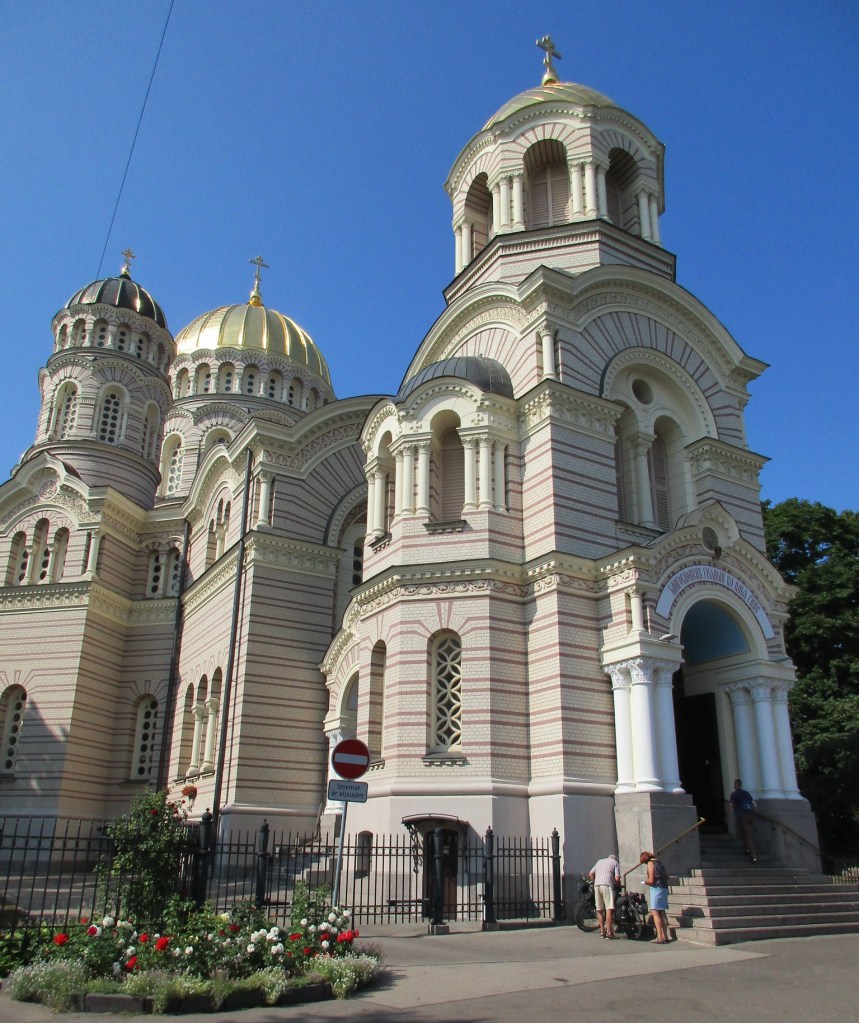
Who would just not love Riga?! In this beautiful, cozy city there are a great many things to see and visit. The food is delicious, the fruits are naturally honey-sweet, and not least you can find a breakfast menu even in the late afternoon. However, gluten-free offers are limited and it is quite difficult to get information. Riga was founded in 1201 and today is one of the most populated cities in the Baltics. This old port city, a former member of the Hansa, boasts beautiful streets, cobblestone alleys, and enchanting architecture. The city also offers affordable shopping and enjoyable spa opportunities. Within the triangle of Strelnieku lela (street), Elizabetes and Alberta, you can find Europe’s densest art nouveau stock. Riga’s old city center, Vecrīga (= old Riga), is on the eastern side of the city and is unique with its magnificent medieval architecture. Here, in this well-preserved historic center, you can also see one of Latvia’s national symbols, the Freedom Monument. The House of the Blackheads, a Gothic building, was formerly the headquarters of a group of unmarried merchants. The Swedish Gate, the Latvian Ethnographic Open Air Museum, and the Occupation Museum are other places you can visit in Riga. Nevertheless, my personal favorite and most memorable visit was the KGB Museum, located just a few blocks east of the Radisson Blu. In addition, just a little bit outside of Riga, you will find Latvia’s leading spa and bathing resort, Jurmala. Jurmala’s kilometers of wide sandy beaches and verdant gardens are easily accessible by a short train ride from Riga.
*
Written by Gertrúd Windberg December 2024, Sundbyberg
Before using this website please read carefully its ´Terms of use´ and ´General Data Privacy Statement´ (Code of conduct).
Copyright © 2020-2030 – Gertrúd Windberg All rights reserved
 Kingdom of HUNGARY
You must be logged in to post a comment.